How it works
Five stages, from one recording to reviewed knowledge.
This is the conceptual workflow Raptrr is being built around: what happens to a demonstration between the moment it is recorded and the moment it can teach someone else.
The idea in under a minute
Concept film01
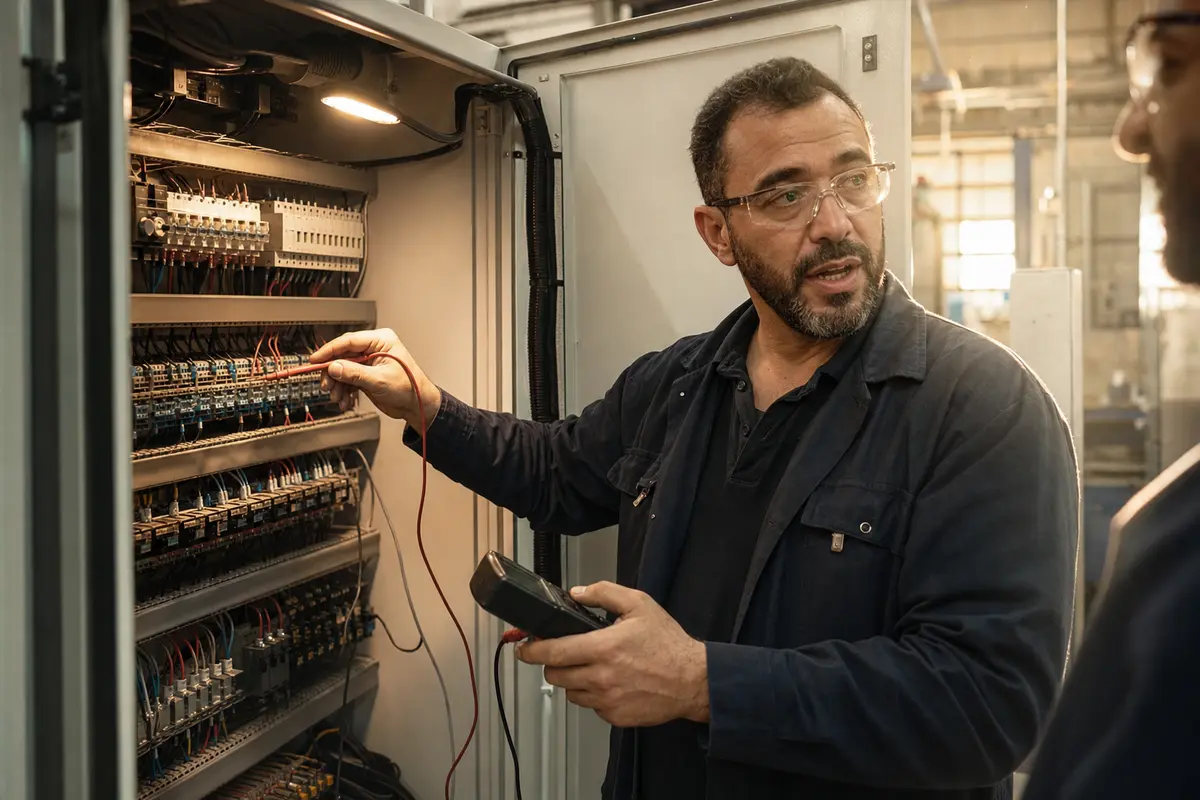
Record
An expert performs the work in front of an ordinary camera and talks through what they are doing as they go — no special equipment, no script.
- Ordinary video
- Multiple viewpoints, where useful
- Spoken explanation
- Environmental context
02
Observe
The recording is read for everything happening in it at once — not just what the hands are doing, but what is said, when, and in what order.
- Motion
- Tools
- Objects
- Speech
- Timing
- Sequence
03
Structure
The observed signals are organized into a procedure — one with order, logic, and the places where judgment matters.
Meaningful stages
The demonstration is broken into the stages that make up the procedure, not just a timeline of motion.
Actions linked to explanations
What the expert did is connected to what they said about why they did it.
Decision points
Moments where the next step depends on a judgment call are marked as decisions, not treated as a fixed script.
Safety checks
Places where the expert pauses to protect themselves, others, or the equipment are surfaced explicitly.
Places needing confirmation
Anything Raptrr cannot infer with confidence is flagged for an expert to resolve, rather than guessed at.
04
Review
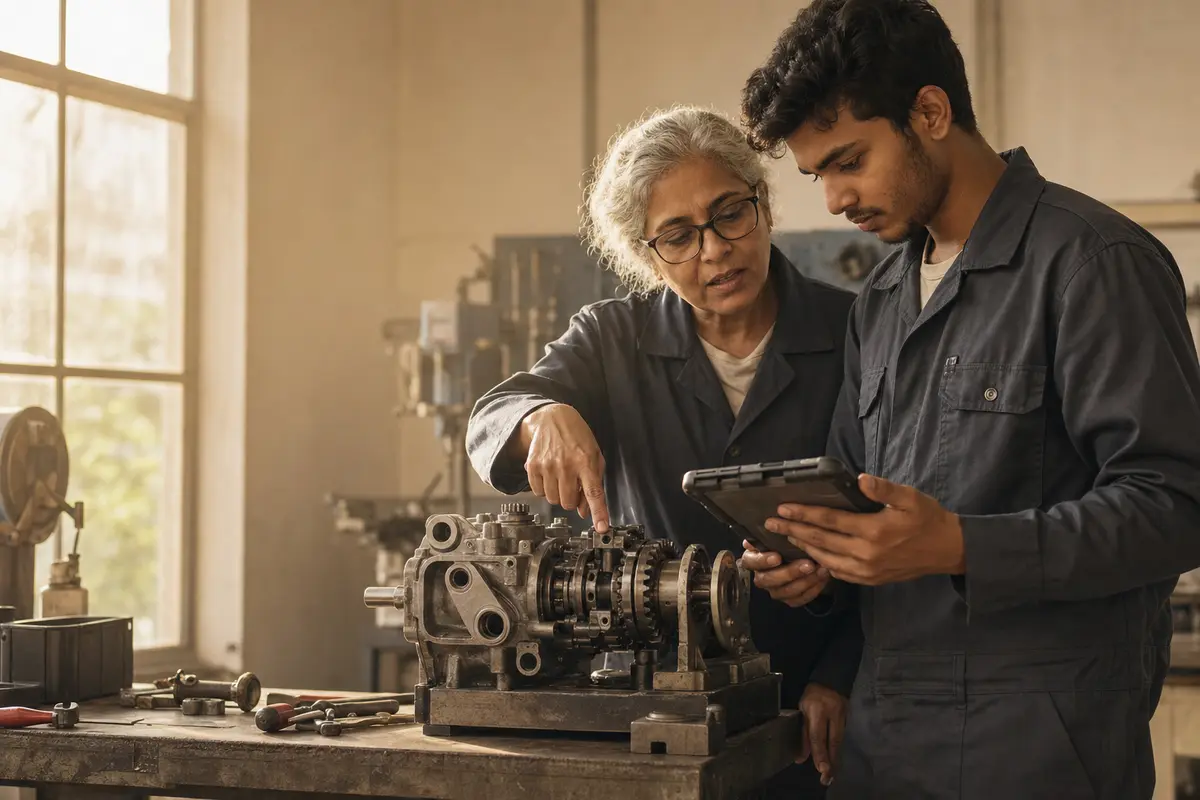
Nothing Raptrr infers becomes training material on its own. An expert looks at every part of it first.
The expert stays in control
Nothing moves forward without the person who did the work signing off on it.
Terminology can be corrected
Names for tools, parts, and steps can be edited to match how the organization actually talks about the work.
Steps can be approved or rejected
Each inferred step is a proposal until an expert accepts, corrects, or discards it.
Confidential material stays protected
Sensitive equipment, layouts, or processes stay controlled and internal to the organization.
05
Teach
The reviewed procedure becomes something a learner can work through, question, and be checked against — not just a document to read once.
- Interactive procedure
- Visual checkpoints
- Searchable explanations
- Guided learning
- Assessment concepts
See the workflow applied to your own work.
If you can show us a demonstration of the work that matters, we would like to understand how this workflow fits it.