Industries
Where scarce physical knowledge is hardest to keep.
Raptrr is not yet deployed in these sectors. This page describes the kind of knowledge we are designing to help preserve, and why it is difficult to capture today.
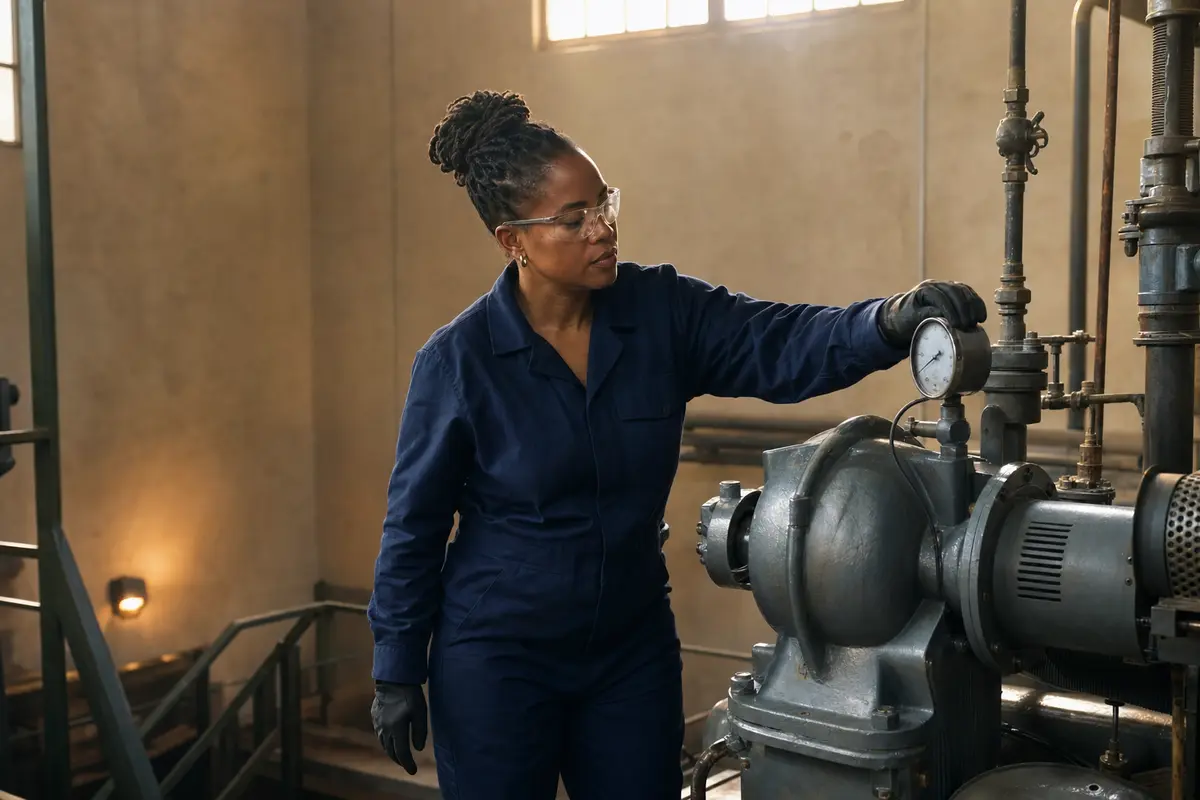
Industrial maintenance
Keeping aging equipment running.
Plants often depend on a small number of technicians who know how a specific machine actually behaves — not just what the manual says.
- At risk
- Inspection routines, servicing sequences, and the fault-isolation instincts built from years on the same equipment.
- Hard to document
- Legacy machines rarely have complete documentation, and the reasoning behind a fix is often worked out on the spot, not written anywhere.
- Could improve
- A structured demonstration could carry a maintenance handover forward — showing not just the steps, but the checks an experienced technician makes along the way.
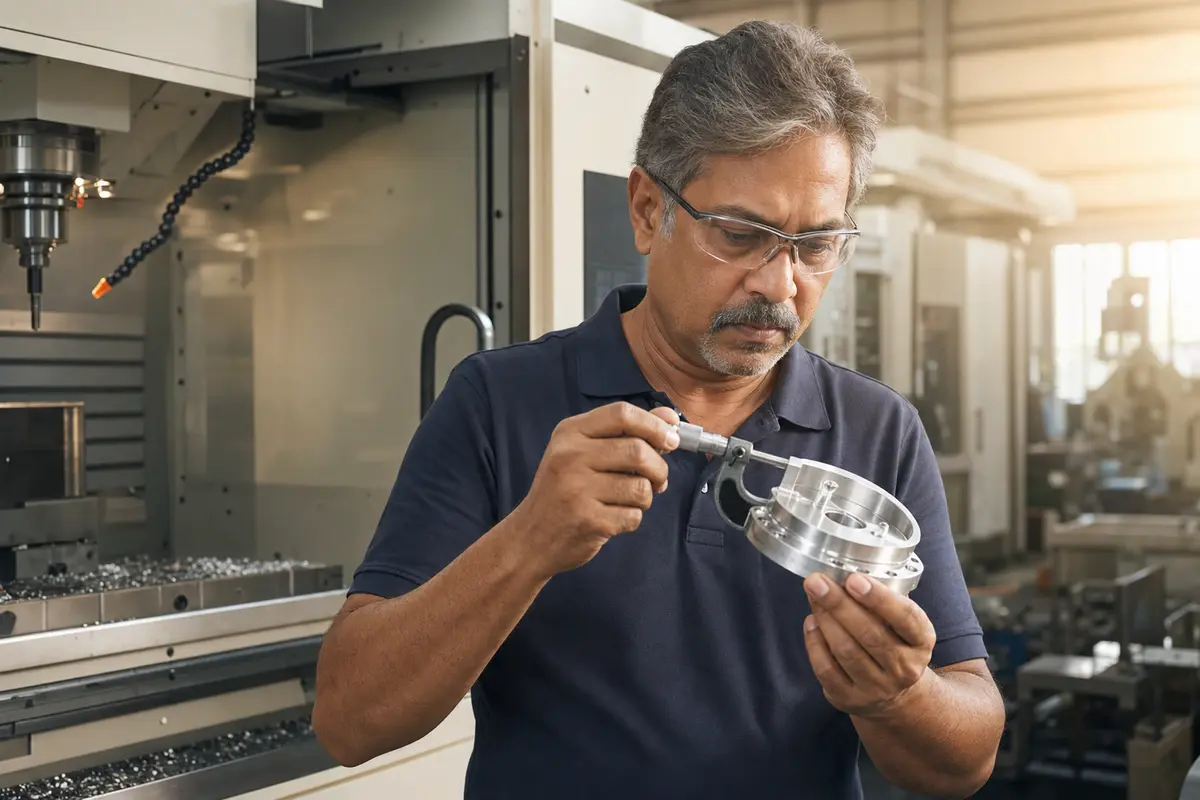
Manufacturing
Passing on operator judgment.
Assembly and changeover work often depends on senior operators who can tell when something is slightly off before it becomes a defect.
- At risk
- Specialized assembly sequences, calibration routines, quality-inspection judgment, and changeover procedures learned through repetition.
- Hard to document
- Much of this knowledge is felt rather than measured — a sound, a resistance, a look — and standard work instructions rarely capture it.
- Could improve
- Structured demonstration could preserve an operator's decision points alongside the physical steps, so a new hire sees not just what to do, but what to watch for.
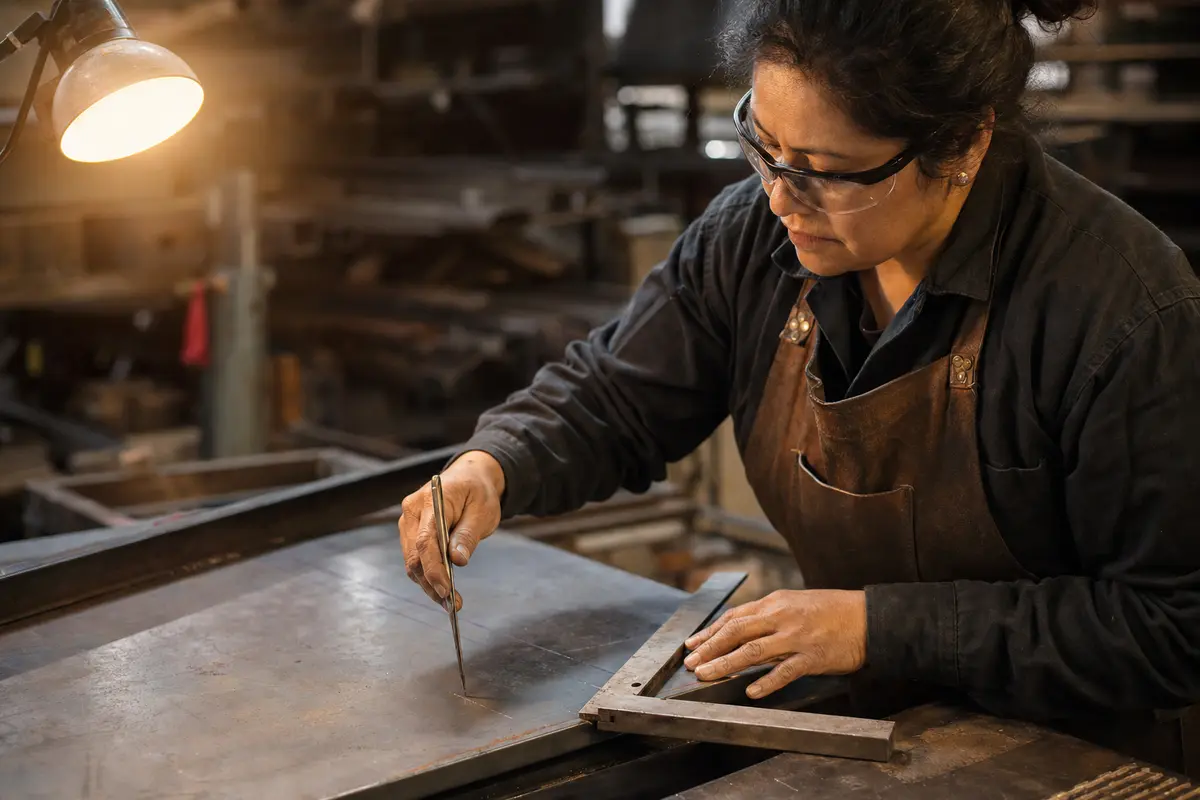
Skilled trades
Craftsmanship learned by watching.
Mechanical repair, fabrication, and woodworking are traditionally taught by standing next to someone who already knows how.
- At risk
- Mechanical repair techniques, fabrication methods, woodworking practices, electrical work, and craftsmanship built over a career.
- Hard to document
- This work is highly physical and situational — the right approach depends on the material, the tool, and the specific job in front of the tradesperson.
- Could improve
- A structured demonstration is designed to preserve the fine detail of hand and tool movement that a written guide cannot describe on its own.
Across every sector
The details differ by trade and by site. The pattern does not — a small group of people carry knowledge that the rest of the organization depends on, and little of it exists in a form anyone else can learn from directly.
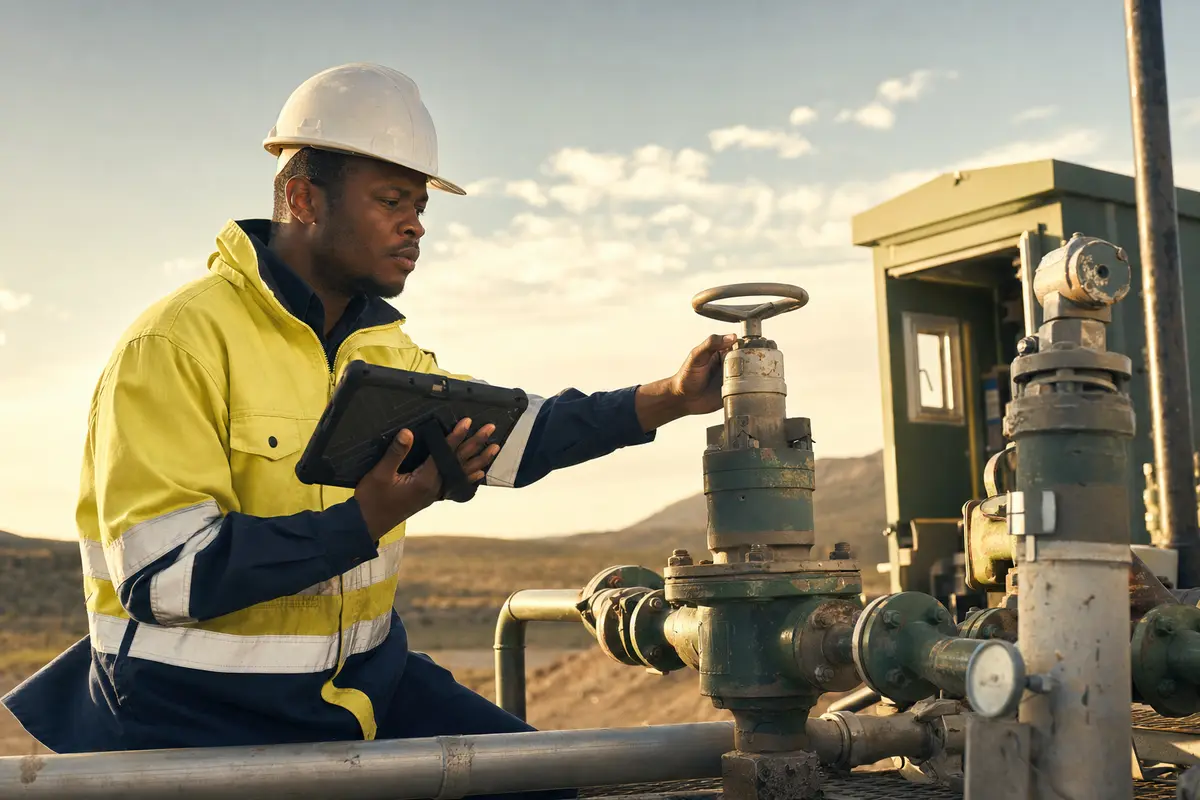
Field service
Consistency when no one else is watching.
Field engineers often diagnose and repair equipment alone, at a remote site, with no colleague nearby to confirm the right call.
- At risk
- Diagnostic reasoning, remote-site procedures, installation sequences, inspection habits, and the consistency between one technician's visit and the next.
- Hard to document
- Every site and installation is slightly different, so a single written procedure struggles to cover the judgment a field engineer applies on arrival.
- Could improve
- A structured demonstration could give newer field engineers a way to see how an experienced colleague actually approaches a site, not only a checklist for it.
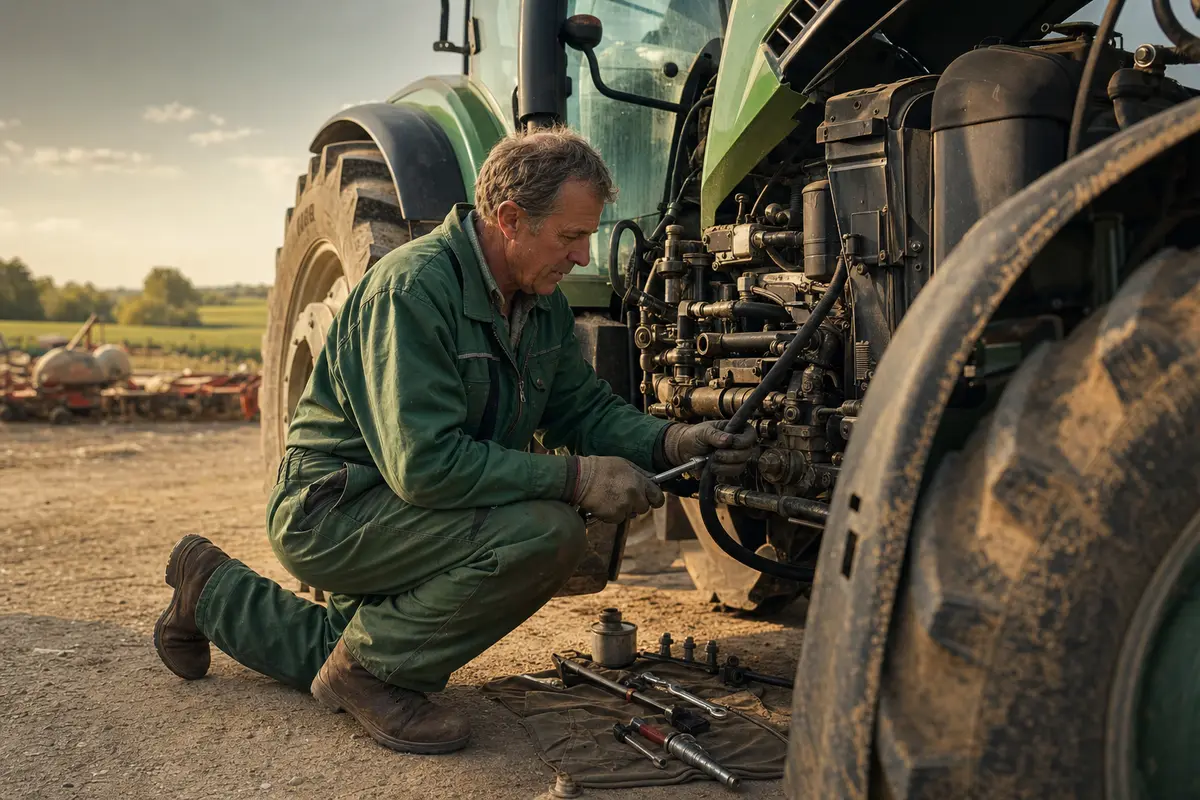
Agriculture
Practices developed on the land.
Farms rely on machinery repair and crop-handling knowledge that is often specific to one operation and passed down informally.
- At risk
- Machinery repair know-how, crop-handling procedures, irrigation equipment upkeep, field-inspection routines, and practices developed locally over seasons.
- Hard to document
- This knowledge is shaped by a particular farm, climate, and set of equipment, so it rarely exists outside the people who work that land.
- Could improve
- Structured demonstration could help a farm keep locally developed practices available across seasons and staff changes, instead of relying on memory alone.
Tell us about the knowledge you need to keep.
If your organization works in one of these areas and depends on expertise that only a few people hold, we would like to hear about it.